When to Start Barefoot Shoes for Kids – The Complete Parent’s Guide
Imagine your toddler taking their very first wobbly steps across the living room floor. It’s a magical moment – and often the point when many parents start asking:
“Do I need to buy shoes now?”
The truth is, introducing shoes too early can slow down natural foot development. The best footwear at first isn’t really footwear at all – it’s simply bare feet. In this guide, we’ll explore when to start barefoot shoes for kids, why timing matters, how to choose the right pair, and how to support your child’s healthy growth step by step.
Why Barefoot Is the Best Beginning
How Children’s Feet Develop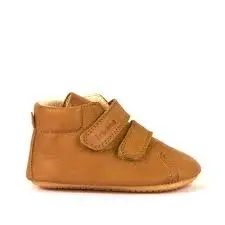
At birth, a baby’s foot is mostly soft cartilage. The bones, arches, and muscles only gradually form and strengthen through movement. Until about age 5, children’s feet are still shaping themselves, which means flexibility and freedom are essential.
The Benefits of Barefoot Time
- Strengthens muscles and ligaments
- Improves balance and coordination
- Encourages natural arch development
- Provides sensory feedback to the brain
- Supports healthy posture and alignment
👉 The longer your child can safely be barefoot, the better their feet (and whole body) will develop.
Before Walking – Soft Booties Are Enough
If your baby isn’t walking yet, they don’t need real shoes. In fact, stiff shoes can restrict natural growth.
Soft barefoot booties (capáčky) are ideal because they:
- Keep feet warm,
- Offer light protection outdoors,
- Allow free movement without squeezing the toes.
What to Look for in Baby Booties
- Flexible, non-slip sole
- Wide toe box
- Breathable, natural materials
- No rigid support structures
First Steps – Don’t Rush Shoes
When those first steps finally come, it’s exciting! But this is still not the time for structured shoes.
Why wait? Because in the early stages, your child is still learning balance and coordination. Bare feet (indoors) and soft booties (outdoors) are the healthiest option.
👉 Think of these first steps as training time – your child’s body is practicing balance, and stiff shoes can get in the way.
The Two-Month Stability Rule
Experts recommend waiting until your child has been walking independently and steadily for at least two months before introducing barefoot shoes.
Why Two Months?
- Walking patterns are still developing in the beginning.
- Feet, ankles, and leg muscles adapt quickly in this period.
- Shoes too early can slightly limit natural movement and slow down strengthening.
This simple guideline ensures your child’s first shoes support development instead of interfering with it.
Choosing the First Barefoot Shoes
When your child is ready (after two months of confident walking), the focus should be on protection without restriction.
Key Features to Look For
- Thin, flexible sole – allows natural movement
- Zero drop – no heel elevation
- Wide toe box – lets toes spread naturally
- Lightweight – so your child hardly notices them
- Breathable materials – to keep feet comfortable
Summary Table
| Stage | Recommended Footwear | Why It’s Best |
|---|---|---|
| Not walking | Socks or soft booties | Natural growth without restriction |
| Early steps | Barefoot indoors, booties outdoors | Builds strength and balance |
| 2+ months stable walking | Barefoot shoes | Protection + natural feel |
Practical Tips for Parents
- Check fit regularly: Children’s feet grow quickly – up to 2 sizes per year.
- Rotate shoes: If your child has multiple pairs, rotate them to avoid wear patterns.
- Encourage variety: Let your child walk on different surfaces (grass, sand, dirt) for natural strengthening.
- Keep it simple: The less structure a shoe has, the better for healthy development.
FAQ – Parents’ Common Questions
Q: Is it safe for toddlers to go barefoot outside?
Yes, as long as the surface is safe. Grass, sand, or wooden decks are perfect. For rougher ground, barefoot shoes add protection.
Q: What if my child has flat feet?
Flat feet are common in young children and usually improve naturally by age 6–7. Barefoot shoes support healthy development without forcing an arch.
Q: Do barefoot shoes cause more tripping?
No. In fact, many kids walk more steadily in lightweight, flexible shoes compared to stiff, heavy ones.
Q: How do I know the shoes fit properly?
Always leave about 10–12 mm of extra space in front of the toes. Check fit every 2–3 months.
Q: Can I use hand-me-down shoes?
Not recommended. Each child’s foot develops differently, and used shoes often have worn patterns that can affect gait.
Conclusion – The Best Start for Healthy Feet
Every child develops at their own pace. The key is not to rush. Barefoot time and soft booties are perfect in the beginning. Then, once your toddler has walked steadily for at least two months, it’s time to introduce their first barefoot shoes.
By waiting, you give your child’s feet the strongest possible foundation – for movement, posture, and a lifetime of healthy adventures.
👉 At Little Barefoot, we help parents in New Zealand choose the best barefoot shoes for their kids. Browse our collection of toddler and kids’ barefoot shoes today and give your child the freedom to grow naturally.